Rethinking linking: How to make interprovincial carbon credit trading stick
A coordinated approach to linking up provincial carbon credit markets can drive investment and emissions reductions with lower compliance costs


A coordinated approach to linking up provincial carbon credit markets can drive investment and emissions reductions with lower compliance costs
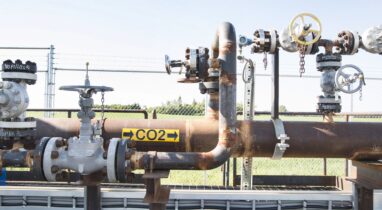
As the federal and provincial governments carve a path forward on industrial carbon pricing, a parallel carbon market — operating under a policy called the Clean Fuel Regulations (CFR) — is gaining importance for low-carbon investment decisions, particularly for carbon capture projects.

Originally published in The Hub: The grand bargain between Alberta and the federal government has reheated the public debate over the competitiveness impacts of industrial carbon pricing. We welcome this debate, because critics tend to build their case on a recurrent misunderstanding: that facilities today pay $95 per tonne of carbon. This $95 policy price
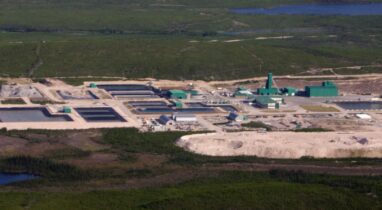
Originally published in The StarPhoenix: Saskatchewan has a generational opportunity to supercharge its economic future. We should seize it. Recent agreements with Alberta and B.C. have shown that Ottawa is prepared to make a new deal with the West. Let’s use the new spirit of cooperative federalism to land a deal for Saskatchewan’s nuclear industry

After months of negotiations Alberta and Ottawa have agreed on a path forward for industrial carbon pricing. The May 15 implementation agreement is the start of rewriting the federal carbon pricing benchmark.
Originally published in The Globe and Mail. The carbon pricing deal between Alberta and Ottawa turned out to be more modest in its climate ambition than many climate advocates had hoped – including me. I still think Canadians should encourage the two governments to build on their agreement from last week in a way that
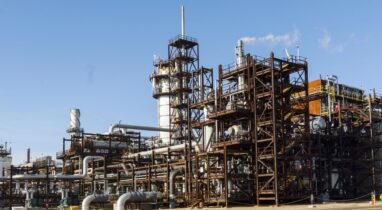
Originally published in The Hill Times. Canada is within reach of a historic “grand bargain” with Alberta on energy and climate that could define our economy for a generation. Yet at this critical moment, the oil sector is amping up its criticism of industrial carbon pricing as a drain on its competitiveness. This argument is

Originally published in The Globe and Mail: The memorandum of understanding signed last week between the federal and Alberta governments was promptly attacked by climate advocates as a betrayal of climate action in Canada. Chief among them was MP Steven Guilbeault, formerly a Trudeau-era environment minister, who called the deal a “serious mistake” and resigned

Originally published in the Calgary Herald. Monday’s First Ministers’ Conference in Saskatoon might be remembered as the moment Canadian politicians finally got on the same page about decarbonizing the energy sector. To realize the leaders’ vision of turning Canada into a low-carbon energy superpower, we now need the energy sector to step up. And we

Originally published in The Hub. Canada has a major economic opportunity in the global low-carbon economy, if it gets its climate and energy policies right. Those policies should be informed by principles like leveraging the ingenuity of markets and free enterprise, limited government, and respect for provincial jurisdiction. The following article is the latest installment
Originally published in The Globe and Mail. In business, as in politics, timing is everything. You can have the best project or policy plan, but miss the moment for action, and a winning idea is doomed to history’s dustbin. These moments can be rare and fleeting, especially when operating at the intersection of environment, economy

Originally published in The Hub. Canada has a major economic opportunity in the global low-carbon economy, if it gets its climate and energy policies right. Those policies should be informed by principles like leveraging the ingenuity of markets and free enterprise, limited government, and respect for provincial jurisdiction. The following article is the latest installment