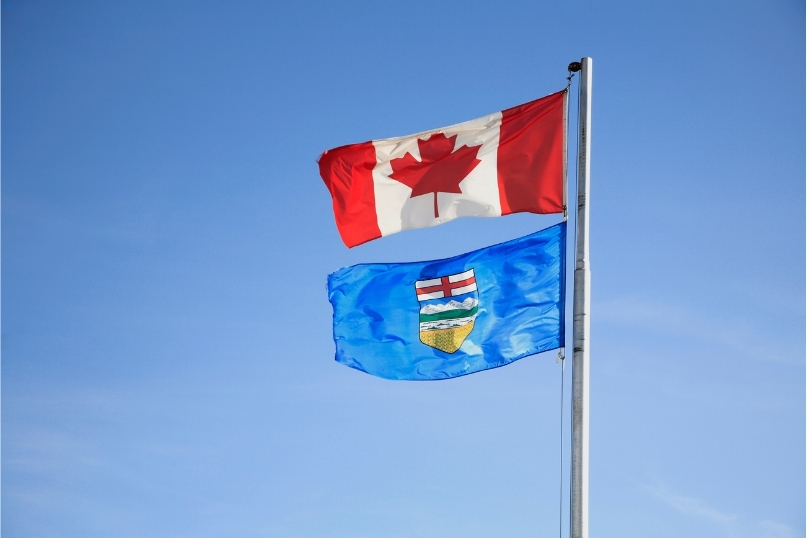
Canada is rising to meet the extraordinary challenges of a new era in geopolitics and international trade. To make this country into an energy superpower while also achieving our climate goals, the federal and provincial governments are resetting their relationship on climate policy.
The vision
Clean Prosperity believes that the best way to make climate policy stick is to balance it with other urgent public policy priorities, like strengthening our economy, diversifying trade, and bringing our country together.
That’s what underpins Canada’s grand bargain. The federal government should repeal climate policies that simply aren’t working to reduce emissions. For their part, provinces should commit to reforming their carbon markets to drive tens of billions in low-carbon investment that will create jobs and prosperity for Canadians.
“Stronger carbon markets can help Canada build big projects and grow this country into a diversified low-carbon energy powerhouse,” argues Clean Prosperity President and CEO Michael Bernstein.
Our July 2025 report Market Force explains how. For years, Clean Prosperity has advocated for carbon market reforms that can drive investment and cut emissions. We continue to advocate with federal and provincial governments to keep these objectives at the centre of the new grand bargain.
Next steps
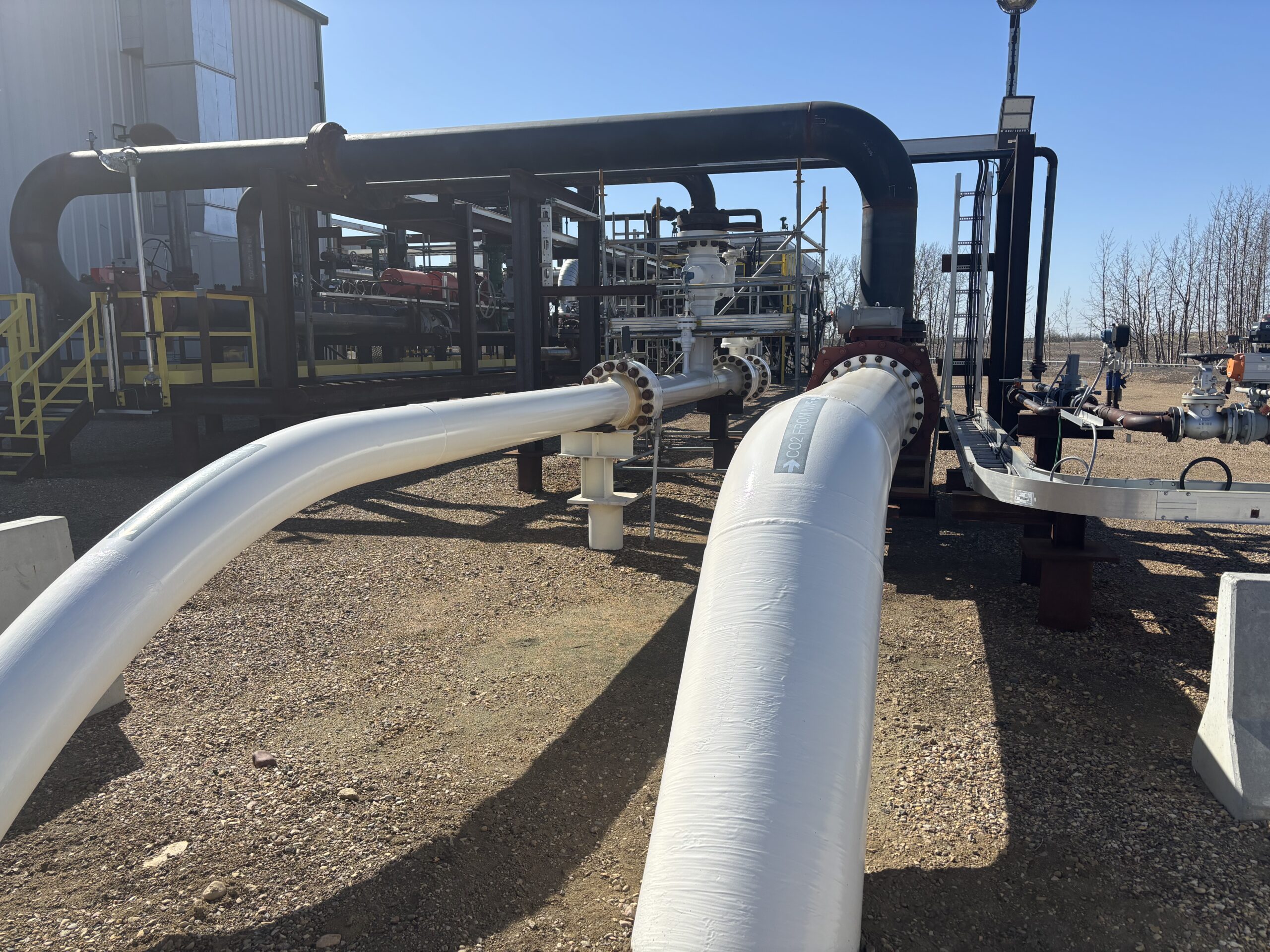
The memorandum of understanding (MOU) signed by the federal and Alberta governments in November 2025 is the first major agreement of Canada’s grand bargain era. Clean Prosperity views the MOU as a potential breakthrough for decarbonization.
In the MOU, the federal and Alberta governments agreed to reform the province’s carbon market to increase credit prices to at least $130 a tonne. That could unlock more than $90 billion in low-carbon capital investment and slash over 70 megatonnes of annual emissions within the province, according to research released by Clean Prosperity in December 2025.
To get there, Ottawa and Alberta need to commit to a financial mechanism — also outlined in the MOU — to provide certainty to industry that the governments will uphold strong carbon markets over the long term.
Clean Prosperity believes that this financial mechanism should take the form of broad-based carbon contracts for difference issued jointly by the federal and Alberta governments.
Carbon contracts for difference guarantee the future value of carbon credits for low-carbon project proponents. They improve certainty about project revenues, reduce risk, and unlock capital investment. If governments uphold their commitments to strong carbon markets, the contracts would not be exercised, and would therefore impose no cost on taxpayers.
The grand bargain could represent a major turning point for low-carbon investment and climate action across Canada. The next step is for Ottawa and Alberta to follow through on the commitments in their MOU.

Selected media
- Alberta-Ottawa energy deal could unlock billions in low-carbon investment, report says (Emma Graney, The Globe and Mail, December 4, 2025)
-
Alberta-Ottawa MOU is a climate breakthrough (Michael Bernstein, The Globe and Mail, December 3, 2025)
-
Will the Canada-Alberta ‘Grand Bargain’ oil pipeline deal lead to more emissions? (Inayat Singh, CBC News, November 26, 2025)
-
Canada’s industrial carbon pricing system is a mess. Here’s how Carney can fix it (Adam Radwanski, The Globe and Mail, September 30, 2025)
-
The unlikely emerging partnership between Mark Carney and Danielle Smith (John Ivison, National Post, September 17, 2025)
-
Carney tied carbon capture to new pipelines. Here’s how it could finally get built (Adam Radwanski and Emma Graney, The Globe and Mail, June 21, 2025